Building independence rarely happens all at once. It develops through small routines, repeated practice, useful support, and the confidence that comes from handling more of everyday life.
This free printable independent living skills checklist gives teens, young adults, adults, families, educators, and support professionals a practical way to review common life skills without turning the process into a pass-or-fail test.
The packet covers personal care, home tasks, food, money, housing, transportation, communication, work, study habits, health, and safety.
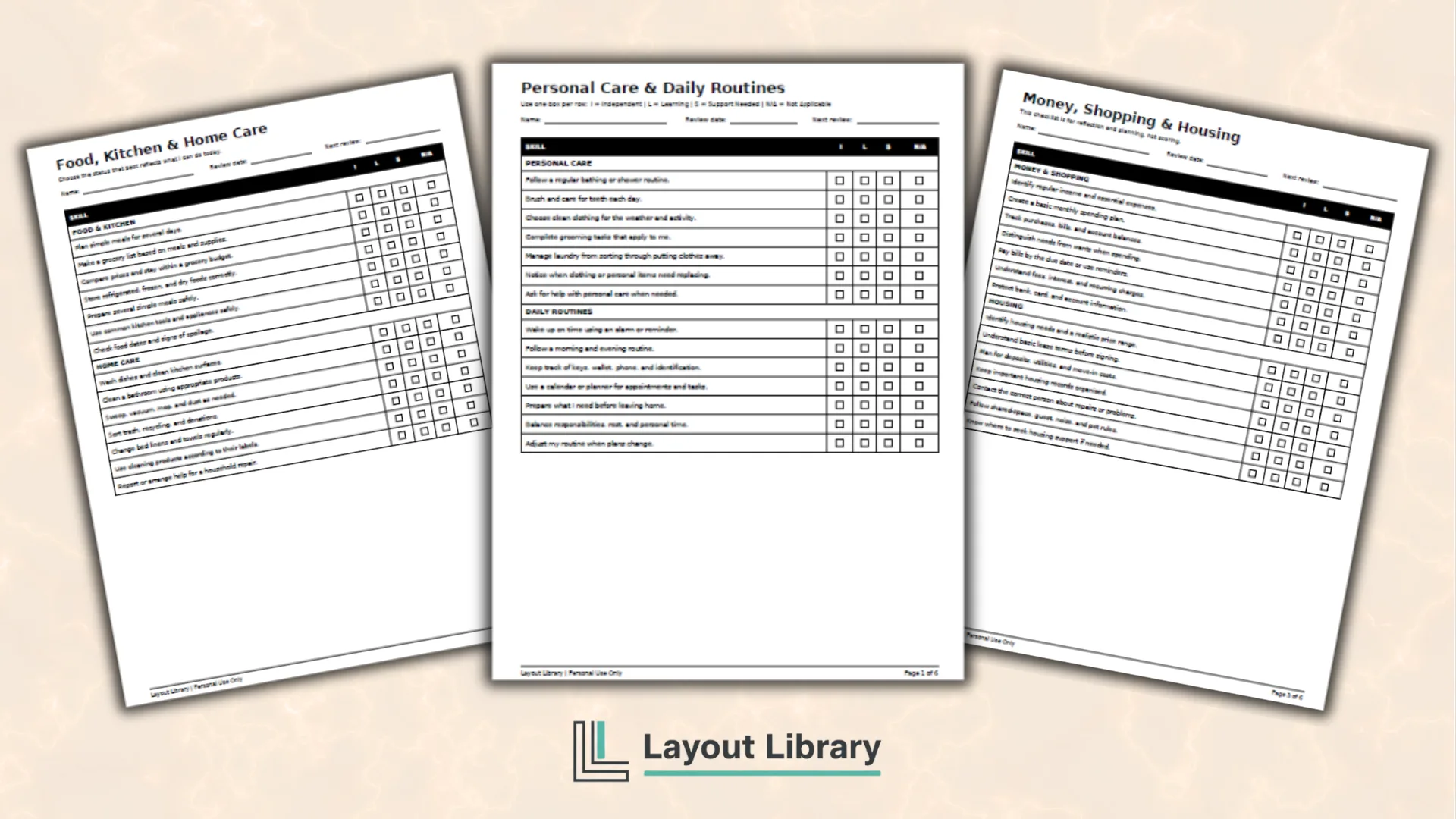
Each row can be marked Independent, Learning, Support Needed, or Not Applicable, making it easier to recognize both current strengths and realistic next steps.
Printable Details
Title: Independent Living Skills Checklist.
Used For: Reviewing daily living abilities, identifying support needs, planning practice goals, and tracking growth..
Page Length: 6.
Paper Size: 8.5 × 11 in (portrait).
File Size: 55 KB.
File Type: PDF.
Color: Black & White.
License: Personal Use.
Image Gallery
At a Glance
Overview
This printable contains five working checklist pages and one guidance page.
The 70 skill statements are grouped into familiar areas of everyday life so the packet feels manageable rather than overwhelming. Every functional page also includes spaces for a name, review date, and next review date.
The checklist is flexible enough for personal reflection, family conversations, transition planning, classroom activities, coaching, or support meetings.
It does not assign a score or label someone as ready or unready to live independently. Instead, it helps users describe what they can do now, what they are learning, and where support would be helpful.
What’s Included In This Independent Living Skills Checklist?
Page one focuses on personal care and daily routines, including grooming, laundry, alarms, calendars, personal belongings, and adapting when plans change.
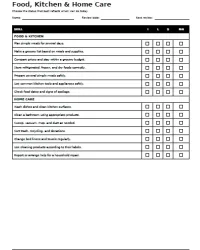
Page two covers food, kitchen, and home care. Users can review meal planning, grocery shopping, food storage, cooking, cleaning, household supplies, and knowing when to request repair help.
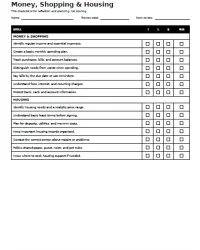
Page three addresses money, shopping, and housing. It includes budgeting, bills, account protection, recurring charges, realistic housing costs, basic lease awareness, move-in expenses, records, and household rules.
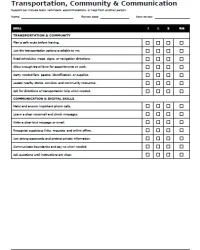
Page four combines transportation, community, communication, and digital safety. These skills include route planning, schedules, community resources, phone calls, voicemail, email, password safety, boundaries, and asking clear questions.
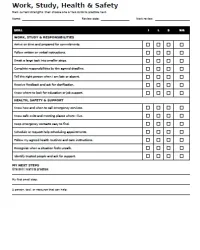
Page five covers work, study, health, safety, and support. A short action-planning section helps the user select one skill, define a first step, and identify a useful person, tool, or resource.
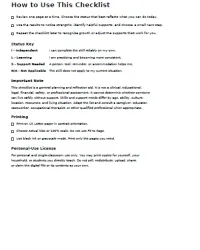
The final page explains the status key, printing setup, limitations, and personal-use license.
How to Use the Checklist
Start with one page instead of completing all 70 items in a single sitting.
Read each statement and select the status that best reflects the person’s current experience:
- Independent means the skill can usually be completed reliably without help.
- Learning means the skill is being practiced but is not yet consistent.
- Support Needed means a person, tool, reminder, or accommodation is helpful.
- N/A means the skill does not apply right now.
After reviewing a page, notice the Independent items first. These are strengths worth recognizing.
Then choose one or two Learning or Support Needed items that would make everyday life easier or safer.
A useful next step should be specific and small, such as practicing one simple meal, setting a weekly laundry reminder, or learning one bus route.
Printing Tips
Download the PDF and open it in a standard PDF reader. Select US Letter paper, portrait orientation, and Actual Size or 100% scale.
Avoid Fit to Page, since it may shrink the writing areas. The design is entirely black and white, so it works well with standard black ink or grayscale printer settings.
You can print the full packet or select individual pages. Keep completed copies private because users may write personal information, support needs, or goals on them.