A classroom pen pal project can help students practice writing, learn about other places, and build meaningful connections through letters.
Keeping track of several names, addresses, received letters, sent replies, and important dates can become difficult, though. This free printable pen pal tracker organizes those details in one reusable seven-page set.
The pages are designed mainly for teachers, students, homeschool groups, and supervised school programs.
Adults who enjoy exchanging letters, postcards, or cards can also use the same forms to organize their personal mail.
Printable Details
Title: Pen Pal Tracker. Used For: Organizing pen pal information, mailing addresses, incoming and outgoing letters, replies, birthdays, and future letter ideas. Page Length: 7. Paper Size: 8.5 × 11 in (portrait). File Size: 874 KB. File Type: PDF. Color: RGB (can be printed in black-and-white). License: Personal Use.
Maintain a master directory for up to 15 individual pen pals, classes, or groups.
Print a separate profile page for each person or participating classroom.
Track incoming and outgoing letters on dedicated log pages.
Use the reply queue to remember questions, topics, enclosures, and target dates.
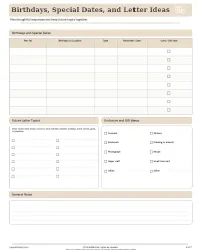
Record birthdays and special occasions before they are forgotten.
Print additional copies of any reusable page as the project grows.
Store completed pages securely because they may contain private contact information.
Overview
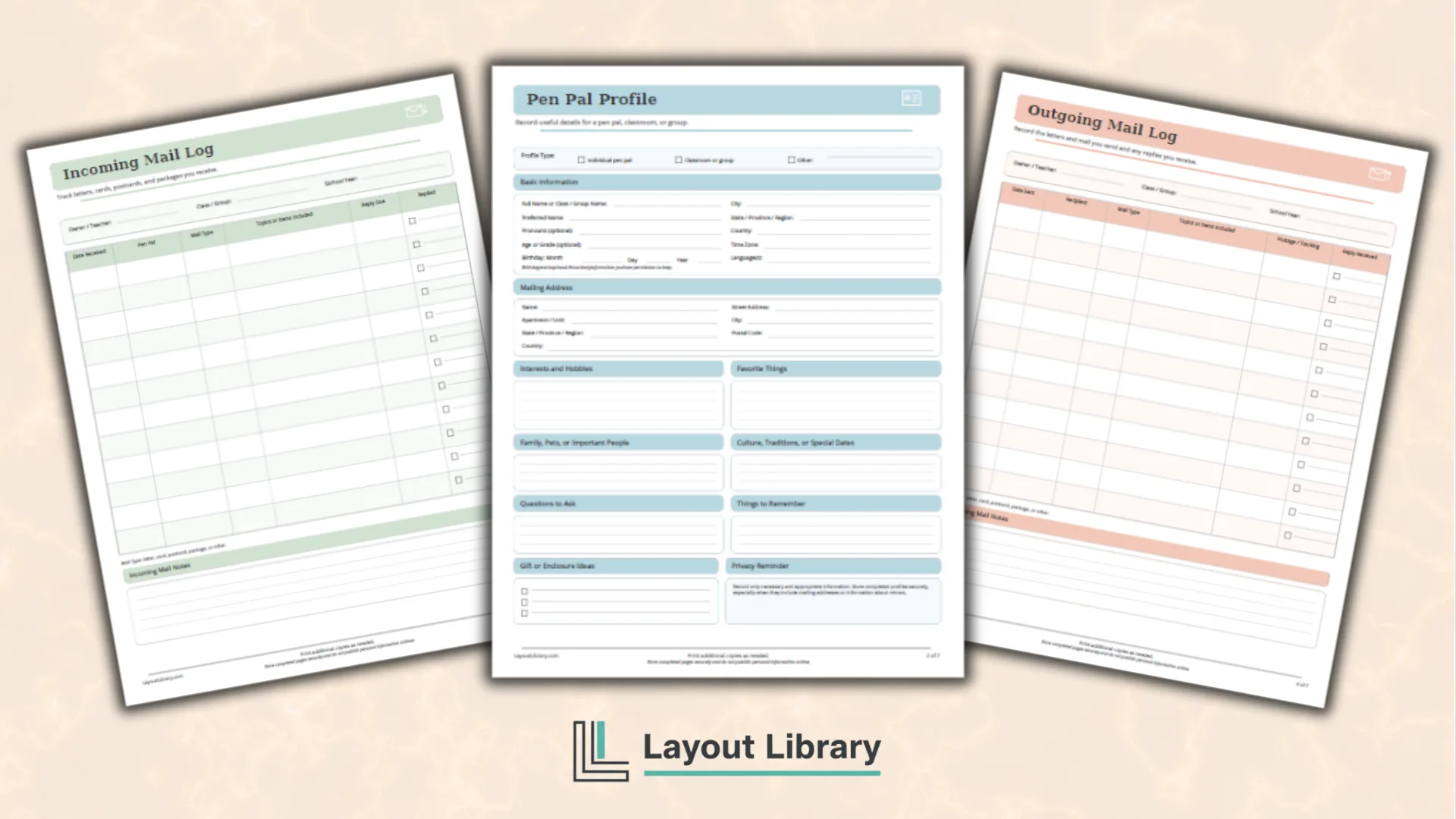
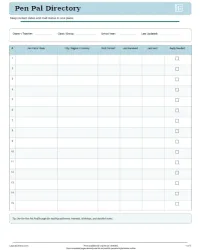
The first page is a Pen Pal Directory that provides a quick view of the entire project. It includes 15 numbered rows for names, locations, first-contact dates, the most recent letters sent and received, and whether a reply is needed.
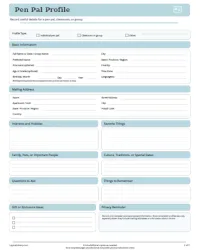
Page two is a reusable Pen Pal Profile. It offers space for a full name or class name, preferred name, optional pronouns, age or grade, birthday, location, time zone, language, and first-contact date. The page also includes a complete mailing-address section.
Additional profile areas can be used to record interests, favorite things, family members, pets, traditions, questions to ask, details to remember, and ideas for small paper enclosures. Teachers can use these sections to help students write more personal and thoughtful letters.
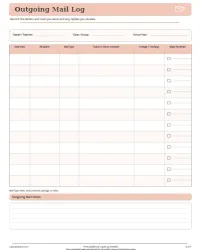
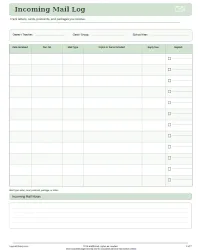
Pages three and four contain separate Incoming Mail and Outgoing Mail logs. Each page provides 12 entries with fields for the date, pen pal, type of mail, topics discussed, items included, reply status, and other practical details.
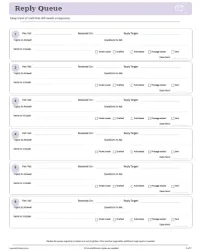
The fifth page is a Reply Queue with six spacious planning sections. Instead of only placing a checkmark beside a name, students or teachers can write down topics to answer, questions to ask, items to include, and the date they hope to send the reply.
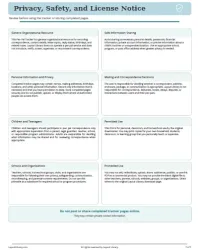
Page six collects birthdays, special dates, future letter topics, and enclosure ideas. The final page contains important privacy, safety, supervision, and license information.
How to Use This Pen Pal Tracker
Start by completing the Pen Pal Directory. Add each student, individual pen pal, classroom, or group as the exchange begins. The directory works as a quick reference, so keep detailed addresses and personal information on the individual profile pages instead.
Print one Pen Pal Profile for each person or class. Record only information that is useful and appropriate for the project. The birthday section includes an optional year field, but the year can be left blank when it is unnecessary or when permission has not been given to record it.
When a letter arrives, add it to the Incoming Mail Log. Record the date, sender, type of mail, and the main questions or topics included. You can also note whether stickers, drawings, photographs, recipes, or other paper items were enclosed.
Use the Outgoing Mail Log whenever a student or class sends a response. Its postage and tracking field can hold the number of stamps, postage cost, international-mail note, or tracking information when applicable.
Move any letters still awaiting a response to the Reply Queue. Before students begin writing, they can review their notes and decide which questions to answer, what new questions to ask, and whether to include a small paper item.
Classroom Pen Pal Project Ideas
A pen pal activity can support more than handwriting practice. Students may learn about geography, traditions, weather, hobbies, books, school routines, and daily life in another community.
Teachers can use the tracker during:
Writing centers.
Social studies lessons.
Geography units.
Language-learning activities.
Homeschool co-op projects.
Exchanges between different grade levels.
Classroom-to-classroom letter programs.
The future-topics section can help students when they are unsure what to write. Possible subjects include recent classroom activities, books, favorite foods, seasons, holidays, sports, pets, goals, and questions about the other person’s community.
Privacy and Safety Considerations
Completed tracker pages may contain names, birthdays, addresses, and other private information. Keep the forms in a secure teacher binder, locked cabinet, or protected homeschool file rather than displaying them publicly.
Children and teenagers should participate with supervision from a parent, guardian, teacher, school, or responsible program leader. Adults should decide what information students are allowed to share and review letters when appropriate.
Schools and organized groups should follow their own privacy, safeguarding, communication, recordkeeping, and parental-permission procedures. The tracker is an organizational resource and does not connect users with pen pals or verify participants.
FAQ
The directory includes 15 entries. You may print another copy when you need space for additional students, classes, groups, or personal pen pals.
Yes. Although the blog post and layout are focused mainly on educational pen pal projects, adults can use the directory, profiles, mail logs, reply queue, and special-date tracker for personal letter exchanges.
Yes. The original downloader may print copies for personal, classroom, and homeschool use. The blank digital PDF may not be sold, uploaded, redistributed, or shared with other people or organizations.